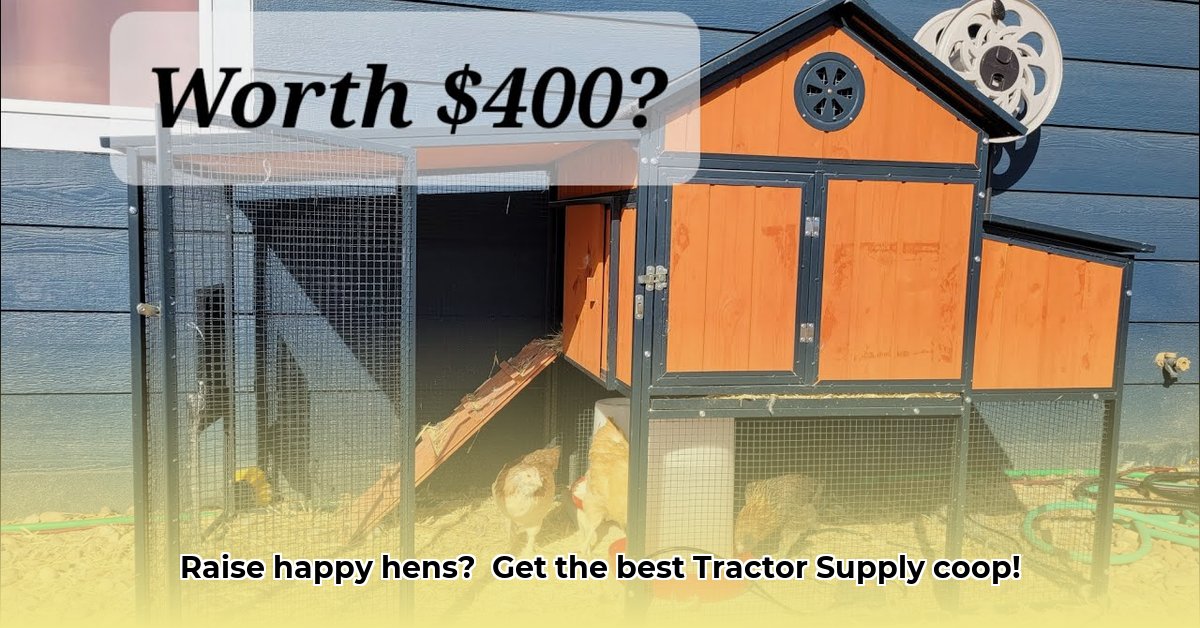
Dreaming of fresh, farm-fresh eggs and the cheerful sounds of your own flock? Raising backyard chickens is easier than you think, and Tractor Supply (or similar retailers) offers everything you need to get started. For larger flocks, check out these large coop options. This comprehensive guide will walk you through selecting the perfect coop, setting up your chicken haven, and keeping your birds happy and healthy, all while navigating local regulations and practicing sustainable methods.
Choosing the Perfect Coop: A Home for Your Hens
The cornerstone of your backyard chicken operation is the coop. Tractor Supply provides a variety of coops to suit different flock sizes and budgets. Consider these key factors:
Number of Chickens: How many hens will you house? Overcrowding leads to stress and disease. Ensure enough space for roosting, laying, and comfortable movement.
Space Availability: Measure your yard carefully. You'll need space for the coop itself plus an outdoor run. Check local ordinances for setback requirements (minimum distance from property lines).
Budget: Coops range in price. Set a budget before you start shopping to avoid impulse purchases.
Coop Features: Walk-in coops are easier to clean. Consider features like built-in nesting boxes, easy-access doors, and rodent-proof floors. Many pre-assembled coops are available, saving on construction time.
Tractor Supply's website and in-store displays offer detailed specifications and images of various coop models. Compare dimensions, features, and prices. Don't hesitate to ask for assistance from their knowledgeable staff; they can help you choose a coop tailored to your specific needs.
Setting Up Your Chicken Paradise: Location, Location, Location!
Once you've chosen your coop, careful site selection is paramount. Consider these factors:
Sunlight and Shade: Chickens need sunlight for Vitamin D, but also shade to escape the heat. Aim for a balance of both.
Water Source: Place the coop near a water source for easy refilling of waterers.
Predator Protection: Choose a location that minimizes predator access. Avoid dense vegetation where predators might hide. We'll discuss predator-proofing later.
Local Ordinances: This is critical. Check local zoning regulations, HOA rules (if applicable), and other ordinances before placing your coop. These regulations often dictate coop size, setbacks, noise levels, and the number of chickens permitted.
After choosing your location, carefully assemble the coop, following the manufacturer's instructions. Take your time; it’s better to assemble it properly than rush the process.
Essential Accessories: Completing Your Chicken Setup
Beyond the coop, you'll need these essentials:
Feeders: Choose feeders appropriate for your flock size and that minimize feed waste.
Waterers: Provide ample fresh, clean water. Heavy-duty waterers are less likely to tip over.
Nesting Boxes: One nesting box per 3-4 hens is a good rule of thumb. Ensure privacy for your hens to lay comfortably.
Biosecurity: Keeping Your Flock Healthy
Preventing disease is crucial. Good hygiene practices are your best defense:
Regular Cleaning: Regularly remove droppings and soiled bedding. A clean coop greatly reduces disease risk.
Disinfection: Use poultry-safe disinfectants to kill bacteria and viruses. Allow the coop to dry completely before reintroducing your hens.
Predator Protection: Secure the coop with robust wire mesh, especially hardware cloth, to prevent access by predators (raccoons, foxes, etc.). Consider additional deterrents like motion-sensitive lights or sprinklers.
Ventilation: Good ventilation prevents respiratory problems and ammonia buildup, which is crucial for maintaining a healthy environment.
Navigating Local Regulations: A Checklist
Before purchasing or building a coop, thoroughly research local regulations. Ignoring these could result in fines or even removal of your coop.
| Checklist Item | Yes/No | Notes |
|---|---|---|
| Checked local zoning regulations? | Include specific regulations here | |
| Obtained necessary permits? | List required permits if applicable | |
| Considered setback requirements? | Specify required distance from property lines | |
| Addressed noise restrictions? | Mention any noise level limits | |
| Roosters permitted? | Some areas restrict rooster ownership |
Sustainable Chicken Keeping: Eco-Friendly Choices
Sustainable practices minimize your environmental impact:
Eco-Friendly Materials: If possible, choose a coop constructed from sustainable or recycled materials.
Water Conservation: Use water-efficient drinkers, and consider rainwater harvesting.
Composting Chicken Manure: Chicken manure is excellent fertilizer. Compost it and use it in your garden.
Troubleshooting: Addressing Common Challenges
Even with careful planning, problems might arise:
Predator Issues: Reinforce coop security. Consider burying the wire mesh below ground level.
Coop Maintenance: Regular cleaning prevents disease and maintains the structural integrity of your coop.
Chicken Health Problems: Learn to recognize common chicken ailments. Early detection is key. Consult an avian veterinarian when needed.
Coop Comparison: Tractor Supply Options (Illustrative)
While specific models vary, Tractor Supply offers different coop sizes and features. Always check their current catalog for the most up-to-date options:
| Coop Type | Size (Approx.) | Features | Pros | Cons |
|---|---|---|---|---|
| Small Coop | Small | Simple design, easy assembly | Affordable, easy to manage, good for beginners | Limited space, may not suit larger flocks |
| Medium Coop | Medium | More space, often includes nesting boxes | Larger flock capacity, good for families | May need more frequent cleaning |
| Large Coop/Walk-in Coop | Large | Multiple rooms, easy access | Plenty of space, easy cleaning | More expensive, requires more space |
| Mobile Coop | Varies | Easily movable | Ideal for small spaces or rotating pasture | Limited size and durability |
Enjoy your backyard chicken adventure! With careful planning and the right supplies, you'll soon be enjoying fresh eggs and the rewarding experience of raising your own flock. Remember that ongoing learning and adapting to your flock's needs are essential for long-term success.